|
Village Outreach Programme |
|
|
|
|
Tikondane began on the premise of helping local villagers to improve their literacy, which would in turn benefit the individual communities to which they belonged. There are now 30 villages and 4 compounds (townships) within Tikondane's catchment area and the activities carried out have far exceeded the issue of literacy; each has the same goal: Sustainable Betterment. The programmes that we implement include:
-
Teaching people how to write a proper will to ensure that his wife and children receive his property when a man dies. This will prevent other relatives (especially of the husband) from claiming or seizing the property after his death. -
Teaching how to eat a more balanced diet than tradition prescribes. -
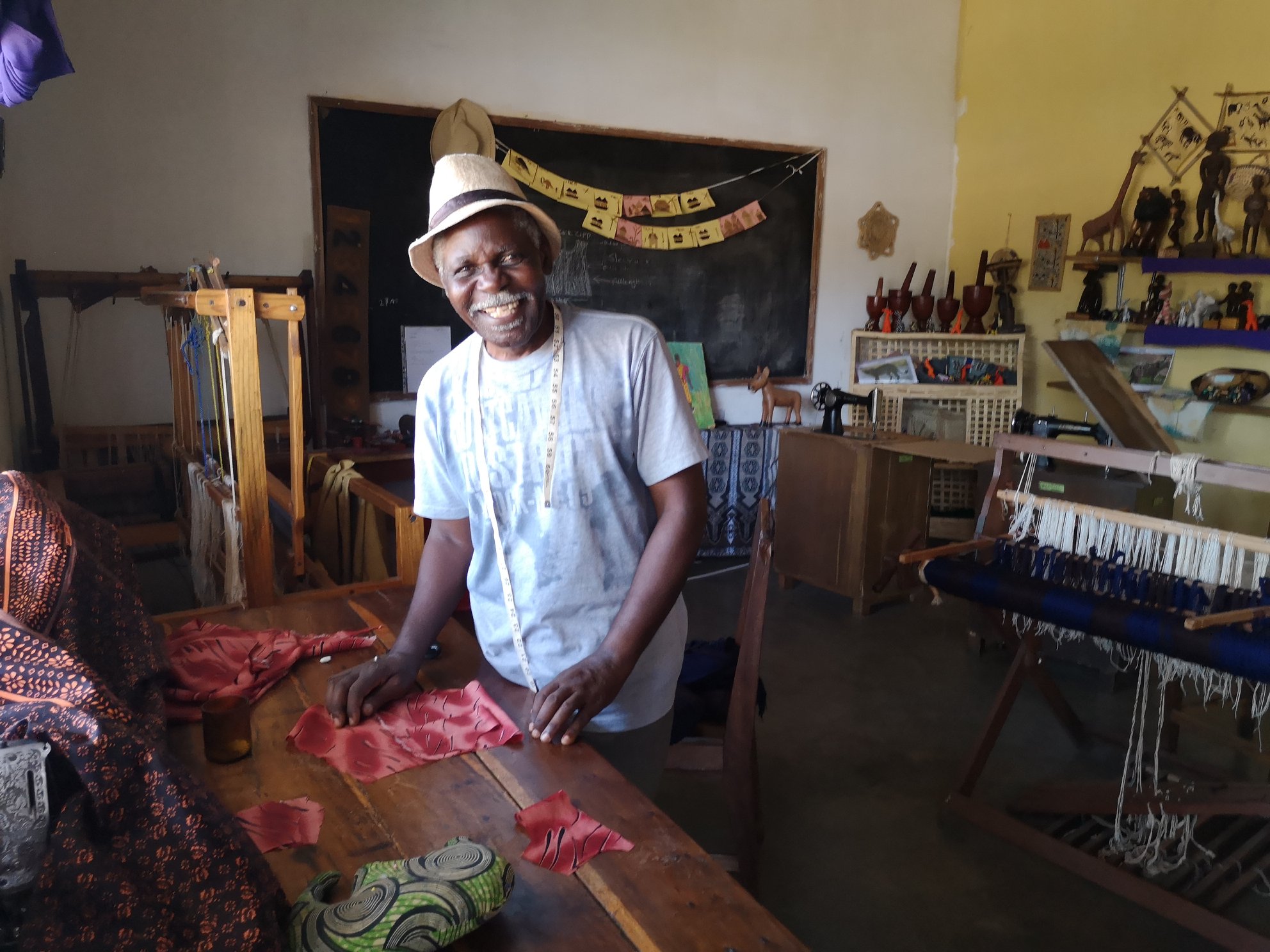
Skill training for income-generating activities such as sewing, gardening, animal rearing (rabbits or goats), weaving, soap-making, tin-smithing, bike repair and the making of drinking glasses out of recycled bottles. -
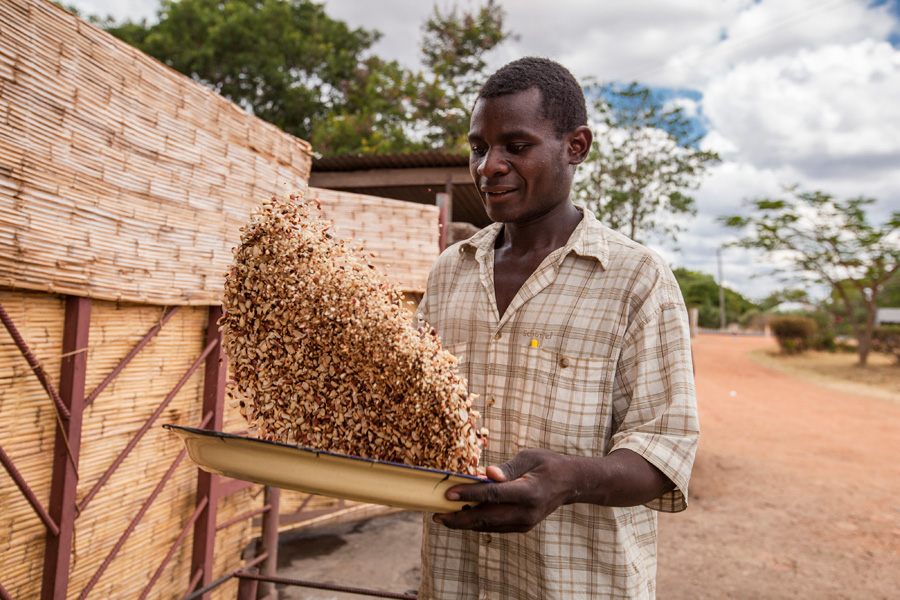
Agricultural training, for example, crop diversification (from maize/corn to sorghum or soy beans) to increase their profit margin and promote a more holistic view of nutrition. -
HIV/AIDS Awareness campaign – workshops were held for the youth to clarify many confusing ideas about HIV/AIDS. They also had to practice new ways of interaction to make it possible for couples to communicate effectively. - 23 Home-Based Care-givers, were given a mini-course in micro-biology, which is a term considered more suitable than the term germ. They learned that good hygiene, clean water and sanitation are the best way to help an HIV/AIDS patient. They were also given help to start an irrigated garden to supplement the diet and provide the extra food required by HIV/AIDS patients.
Some of the future ventures we hope to engage are: 
-
Setting up voluntary CTC (Counselling-Testing-Care) centres within close range of a number of our villages, thus making it easier for those scared of being tested to undergo treatment. -
TIKO hopes to train volunteers to work within these centres. -
Increasing the distribution of condoms to both males and females with the support of counselling sessions.
-
Introducing villages to irrigated gardens; this will increase the need to organize more reliable water sources (wells and boreholes for wells of greater depth). -
Organizing the provision of better sanitation (pit latrines) to help prevent disease. -
Holding agricultural seminars to stress the new types of composting methods that are available and to promote sustainable farming methods. - Continuing the construction of local community centres that will be supplied with solar power. These will house primary school lessons during the day and adult classes in the evenings, providing more options for evening activities.
(See Grassroots Millenium Development Project)

When considering village outreach it is important to remember the inherently reciprocal relationship between all those involved. We learn and benefit equally from each other’s culture and conversation, hoping to leave the world in a more understanding and empathetic state than we found it.
|